Water Damage Restoration: Mold Risks and Prevention Tips

Imagine this: A strong storm blows through your neighborhood, heavy rain flooding your basement and soaking your carpets. You call in a water damage restoration company, but what you might not realize is the unseen threat lurking in the shadows: mold. In this article, we’ll explore mold risks and prevention tips, ensuring you’re equipped to protect your home from both water damage and mold growth.

Water damage is often more than just a nuisance; if not addressed properly, it can lead to mold growth, which poses health risks and damages your property. Awareness of mold risks during the restoration process is crucial for any homeowner, DIY enthusiast, or even industry professional.

Understanding the Mold Risks

Mold is a type of fungus that thrives in moist, humid environments. It reproduces through spores that can easily become airborne, causing allergic reactions and other health issues when inhaled. When water damage occurs, it’s essential to act quickly because mold can start to grow within 24 to 48 hours. Understanding these mold risks gives you the upper hand in preventing problems down the line.

For instance, let’s take the story of Sarah, a homeowner who experienced significant flooding after a pipe burst. After the water was removed, Sarah thought everything was fine. Weeks later, however, she began to notice a musty smell in her home. By the time she called a professional, mold had already taken hold behind her drywall, leading to costly repairs and health concerns.

Prevention: The Key to Keeping Mold at Bay

Now that we know the risks, let’s focus on preventing mold during the water damage restoration process. Remember, early intervention is your best defense. Here are some practical tips to ensure your home remains mold-free:

  1. Immediate Action: At the first sign of water damage, take action. Remove excess water using pumps and wet/dry vacuums. The quicker you act, the less chance mold has to establish itself.
  2. Dry Everything Thoroughly: Use fans and dehumidifiers to dry out the affected areas completely. Open windows and doors when possible to enhance ventilation. If you’re dealing with carpets, consider removing and drying them in the sun.
  3. Inspect for Hidden Moisture: Mold can grow in hidden areas like under floorboards or behind walls. Consider using a moisture meter to check for hidden dampness.
  4. Clean and Disinfect: Once the area is dry, clean and disinfect surfaces with a mixture of water and vinegar or specialized mold-cleaning products. While bleach is often used, it may not penetrate porous materials as deeply and can sometimes lead to further issues.
  5. Seal and Protect: Once your home is dry and clean, consider applying mold-resistant products. Sealant and paints can help provide extra protection against moisture.

When to Call a Professional

Sometimes, the situation may be more than you can handle. If you notice signs of mold, such as discoloration, an increase in allergies, or a persistent musty smell, it’s essential to call a professional. They have the tools and expertise to identify and remediate mold properly.

Common Misconceptions About Mold

Although many homeowners are aware of mold risks, there are still misconceptions that can lead to misunderstandings about mold prevention:

  • Not Just a Problem in Basements: While basements are more prone to mold, it can grow in any area where moisture collects. Bathrooms, kitchens, and attics can also be hot spots.
  • You Can’t Always See It: Mold can be hidden behind walls or under carpets. Just because you can’t see it doesn’t mean it’s not there. Regular inspections are key.
  • DIY Repairs May Not Be Enough: For significant water damage, merely drying out the space may not suffice. Professional remediation can ensure that mold does not come back.

Signs of Mold Growth: What to Watch For

Being proactive means knowing what to look for. Here are some signs that mold may be lurking in your home:

  • Musty Odors: A persistent musty smell can indicate mold presence, even if you can’t see it.
  • Visible Mold Spots: Discoloration on walls, ceilings, or floors suggests mold issues.
  • Increased Allergy Symptoms: If you notice an uptick in sneezing, coughing, or other allergy-related symptoms, it may be linked to mold.

A Quick Guide to Mold Prevention

To sum it up, here’s a handy checklist for mold prevention during water damage restoration:

  • Remove excess water immediately.
  • Ensure areas are dried thoroughly.
  • Inspect hidden spaces for moisture.
  • Clean and disinfect as needed.
  • Consider professional help when required.

Final Thoughts

In the end, whether you’re dealing with stubborn leaks, minor floods, or seasonal rains, stay ahead of potential problems. At 770 Water Damage & Restoration, we’re here to help you navigate these challenges, ensuring your home remains a safe and welcoming space. Remember, preventing mold is not just about cleaning up after the mess; it’s about taking ownership of your living environment. Keep your eyes open, your tools handy, and your knowledge up to date, and you’ll be equipped to handle whatever comes your way.

Take Action Today

Whether you’re currently facing water damage or simply want to prepare for the future, take action today! Keep this guide in mind, share it with others, and most importantly, take pride in maintaining your home’s integrity. Together, we can keep mold at bay and make every space a healthier, happier environment.

What should I do first if I have water damage?

Ensure your safety by turning off electricity in the affected area and contact 770 Water Damage & Restoration immediately for emergency services.

How can I tell if there’s mold in my home?

Look for a musty smell, discoloration on surfaces, or visible mold spots. If you suspect mold, call 770 Water Damage & Restoration for an inspection and remediation.

How quickly can mold grow after water damage?

Mold can grow within 24 to 48 hours after water damage. Prompt action is essential; contact 770 Water Damage & Restoration right away to minimize risks.

How can I prevent mold after restoration?

Thoroughly dry and clean affected areas using dehumidifiers and fans. 770 Water Damage & Restoration provides effective drying and treatment to prevent mold growth.

When should I hire professionals for water damage?

Hire professionals if the damage is extensive, mold is present, or you feel overwhelmed. 770 Water Damage & Restoration has the expertise to restore your home safely.


Effective Water Damage Restoration for Dripping Wall Problems

Water damage can be a homeowner’s worst nightmare, especially when it manifests as dripping walls. Not only can these issues damage your home, but they can also lead to mold growth and other complications if left untreated. Today, we’ll embark on a journey through water damage restoration, specifically addressing dripping wall problems and how to effectively resolve them.

Imagine this: you arrive home after a long day at work, looking forward to a peaceful evening, only to discover water stains running down your living room wall. Panic sets in as you wonder how long this has been happening and what it will take to fix it. This scenario is all too common, and knowing what steps to take can make a world of difference.

Understanding Dripping Wall Problems


Dripping wall problems occur due to excess moisture intrusion, which can be caused by various factors. Faulty plumbing, heavy rainfall, or even condensation can lead to water seeping into your walls. When this happens, it creates an environment ripe for issues like mold growth and structural damage, not to mention the inconvenience and stress it causes.

When confronting dripping wall problems, it’s crucial to identify the source of the water. For instance, a leaky roof might cause water to pool in your walls, or a burst pipe could lead to a waterfall of moisture invading your home. Understanding the culprit can streamline the restoration process.

Steps for Effective Water Damage Restoration


Now, let’s dive into the steps for effective water damage restoration, especially when it involves those pesky dripping walls. Follow these guidelines to tackle the issue like a pro:

Assess the Damage:

Start by inspecting the affected area. Look for signs of water damage, such as discoloration, bubbling paint, or mold. Document your findings with photos, which may be helpful if you file an insurance claim.

Identify the Source:

Is the problem caused by a leak, pipe burst, or roof issue? Inspect all potential sources. If it’s beyond your capabilities, don’t hesitate to call a professional. They have tools like moisture meters to locate hidden leaks.

Stop the Water Flow:

Once you’ve identified the source, the next step is to stop more water from entering your walls. This may involve shutting off the water supply or calling a plumber for repairs.

Remove Damaged Materials:

Remove any soaked drywall, insulation, or other materials that have been compromised. This step is essential to prevent the growth of mold and bacteria.

Dry the Area:

Use fans, dehumidifiers, and open windows to promote airflow and speed up the drying process. Ensuring that the area is completely dry is critical to prevent further issues.

Clean and Disinfect:

After everything is dry, clean the surfaces using a disinfectant to eliminate any potential mold spores. Products with anti-microbial properties can help enhance safety.

Repair and Restore:

Once the area is dry and cleaned, it’s time to repair the damage. This may involve replacing drywall, repainting, or even remodeling the affected space.

Common Customer Concerns


When dealing with dripping wall problems, homeowners often have specific questions. Let’s address a few common concerns surrounding water damage restoration.

How Much Will It Cost?

The cost of water damage restoration varies significantly based on the extent of the damage and the materials needed for repairs. For minor issues, homeowners might spend a few hundred dollars, while significant restorations could run into the thousands. It’s best to get multiple quotes from certified professionals.

Will My Insurance Cover the Damage?

Insurance can be tricky. It often depends on the cause of the water damage. For example, if it was caused by a sudden event like a pipe burst, it’s more likely to be covered. However, gradual water damage from long-term leaks may not be. Always check your policy and consult your insurance agent.

How Long Will Restoration Take?

The timeline for restoration can range from a day to several weeks. Factors like the extent of the damage, the drying time, and the repairs needed all play a role. An experienced restoration company can provide a more accurate estimate.

DIY vs. Professional Help


Deciding between a DIY approach and hiring a professional can sometimes be difficult. Here are some factors to consider:

DIY Approach:

Ideal for minor issues that can be managed with simple tools.
Helps save money on labor costs.
Involves a learning experience, which can be empowering.


Professional Help:

Best for extensive water damage that requires advanced tools and expertise.
Professionals can complete work faster and more efficiently.
Ensures all safety protocols are followed.
If you’re ever unsure, it’s wise to consult with a professional to evaluate the situation thoroughly.

Helpful Tips to Prevent Future Water Damage


Once you have resolved your dripping wall problems, it’s essential to adopt preventative measures to safeguard your home from future incidents. Consider implementing the following tips:

Regular Inspections:

Make it a habit to check your home regularly for signs of leaks or moisture. Pay close attention to areas around windows, doors, and pipes.


Maintain Your Roof:

Keep your roof in good condition by cleaning gutters and removing debris. Ensure that shingles are not missing or damaged and have a professional inspect your roof annually.


Upgrade Plumbing:

If your home has older plumbing, consider upgrading it. Modern piping materials are less prone to leaks and breaks, reducing your risk of water damage.


Seal Cracks and Gaps:

Check the exterior of your house for cracks and gaps, especially around windows and doors, and repair them promptly. This will help prevent unwanted water intrusion.


Install Proper Drainage:

Ensure that your yard is graded away from your home’s foundation. Consider installing downspouts and a drainage system to divert excess water away from your walls.


Real-World Example: A Homeowner’s Journey


Let’s take a look at a real-world scenario to illustrate the water damage restoration process. Meet Emma, a homeowner who experienced dripping wall problems after heavy rainfall.

Emma noticed damp spots on her living room wall one Friday evening. Concerned, she checked around the windows and under the sink but found nothing obvious. After some detective work, she discovered that the heavy rain had caused water to seep through a crack in her foundation.

Determined to restore her home, Emma followed the steps outlined above. She first stopped the water flow by diverting gutters, then removed the damaged drywall and insulation. Once everything was dry, she disinfected the area and repaired the walls.

Not only did she solve her immediate problem, but Emma also took the opportunity to reinforce her foundation and improved the drainage around her home. Her proactive steps ensured that her living room remained dry even through heavy storms.

Take Control of Water Damage


Dripping wall problems can be overwhelming, but with the right information and approach, homeowners can tackle these issues head-on. Whether through a DIY effort or by enlisting the help of professionals, understanding the process of water damage restoration can empower you to protect your home effectively.

At 770 Water Damage & Restoration, we are committed to assisting you with your water damage issues. Our team of experts is ready to provide swift and thorough water damage restoration services, making your home safe and dry once again. Remember, taking quick action when you spot the signs can save you time and money in the long run.

Stay alert, keep your space dry, and don’t hesitate to reach out for help if you’re facing challenges with dripping walls or other water damage concerns. Together, we can ensure your home remains a safe haven for you and your family.

Understanding the Global Water Crisis

Water is life, yet millions around the globe face immense challenges in accessing safe and clean water. The escalating impacts of climate change, along with natural disasters like floods, droughts, and storms, are increasingly threatening public health and sustainable development—exemplifying the ongoing Global Water Crisis.

In Westlake Village, water damage restoration is essential for protecting homes and businesses from the devastating effects of water-related disasters, such as floods, leaks, and storms. Companies like 770 Water Damage & Restoration specialize in providing timely and effective services to address these emergencies. Their experienced professionals assess the extent of water damage, implement extraction processes, and carry out thorough drying and dehumidification to prevent mold growth and structural damage. With a commitment to restoring properties to their pre-damage condition, these services not only ensure safety but also help maintain the value of your investment. Residents of Westlake Village can trust in dedicated restoration efforts to combat the repercussions of water damage and secure their living and working environments.

The Influence of Climate Change on Water Resources

Altered Weather Patterns
Climate change is reshaping our water systems by disrupting weather patterns and exacerbating water scarcity. Regions that once enjoyed stable water supplies are now grappling with erratic rainfall and prolonged dry spells. These shifts pose serious health risks, particularly for children, who are especially vulnerable to waterborne diseases in these unpredictable environments.

The Rising Threat of Contaminated Water
Natural disasters not only compromise the availability of water but also its quality. Catastrophic events can lead to widespread contamination, resulting in deadly outbreaks of illnesses like cholera and typhoid. This is particularly concerning for children, whose health can be severely impacted by unsafe drinking water.

The Alarming Statistics of Water Scarcity

Between 2001 and 2018, droughts and floods accounted for nearly 74% of all natural disasters, with forecasts predicting an increase in both their frequency and intensity.
Approximately 450 million children now reside in regions at high risk for water vulnerability, limiting their ability to meet basic needs.
Contaminated water is a leading cause of child mortality; hundreds of thousands of young lives are lost each year from waterborne diseases—over 700 children under five die daily due to the Global Water Crisis.
The Socioeconomic Implications of Water Scarcity


Rising Conflicts Over Resources
As water becomes increasingly scarce, competition for this vital resource intensifies. This can lead to tensions and even violent confrontations, highlighting the urgent need for comprehensive solutions to the Global Water Crisis.

Future Warnings: Water Stress by 2040
By 2040, it is estimated that one in four children worldwide will live in regions experiencing severe water stress, continuing the cycle of crisis and jeopardizing their futures.

Environmental Challenges
Rising sea levels further threaten freshwater supplies by inundating them with saltwater, making safe drinking water inaccessible for countless communities.

Immediate Steps Toward a Sustainable Solution
The impacts of climate change on water resources are becoming increasingly evident, necessitating swift action. Enhancing water efficiency, investing in sustainable infrastructure, and transitioning to solar-powered solutions are all pivotal steps to safeguard future generations and combat the Global Water Crisis.

How 770 Water Damage & Restoration Can Support You
In the midst of these pressing global issues, local services, like 770 Water Damage & Restoration, play a crucial role by addressing the immediate consequences of water damage caused by floods, leaks, and other disasters. Their expert services ensure that both homes and businesses remain safe and secure. If you experience water damage or suspect a leak, reach out to them for professional assistance designed to restore your property effectively.

FAQs About Water Damage Restoration

What are the common causes of water damage in Westlake Village?

Common causes include heavy rainfall, flooding, burst pipes, roof leaks, and appliance malfunctions. Addressing these issues promptly is crucial to prevent further damage.

How can I recognize if my property has water damage?

Look for signs such as water stains on ceilings or walls, mold growth, musty odors, and elevated humidity levels. If you suspect water damage, it’s wise to contact a restoration professional for an assessment.

What steps are involved in the water damage restoration process?

The process typically includes inspection and assessment, water extraction, drying and dehumidification, cleaning and sanitizing, and final restoration and repairs.

How long does the water damage restoration process take?

The duration can vary based on the extent of damage—minor issues may take a few days, while severe cases could require weeks for complete restoration.

Can water damage lead to health issues?

Yes, water damage can create various health risks, particularly if mold develops or if the water is contaminated. It’s essential to address water damage promptly for your health and safety.

The Silent Menace: Unmasking Hidden Water Leaks in Your Home

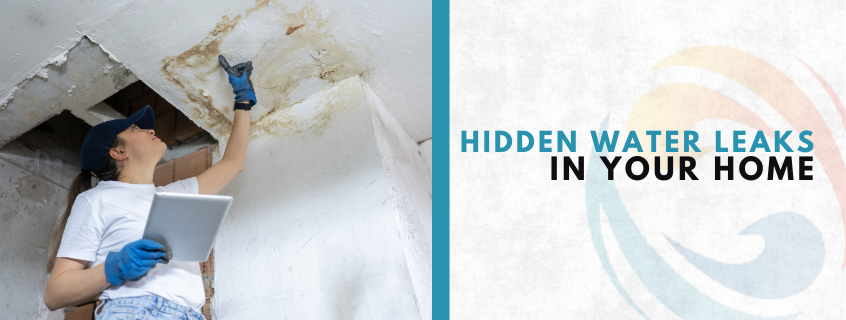
Picture this: You’re cozily settled in your living room, blissfully unaware of the hidden water leaks lurking behind your walls. Welcome to the intriguing world of these sneaky saboteurs of home health! Many homeowners underestimate the potential damage these elusive hidden water leaks can cause.

Did you know that the average household loses around 10,000 gallons of water annually due to leaks? That’s enough to fill a backyard swimming pool! But fear not, dear homeowner. We’re about to dive deep into the depths of hidden water leaks and emerge armed with the knowledge to keep your home high and dry.

The Secret Life of Hidden Water Leaks: More Than Just a Drip

Yes, we’ve all battled a dripping faucet or dealt with a weeping water heater. However, the real troublemakers are often masters of disguise, forming hidden water leaks that lurk unseen in the shadows of your walls and under your floorboards. Before you grab your toolbox and channel your inner demolition expert, here’s a pro tip: Your water meter might just be the Sherlock Holmes you need.

Find that little colored leak indicator located next to the meter hand. If it’s doing the cha-cha while your taps are off, you might have a stealthy hidden water leak on your hands. This simple check can save you thousands in repairs if it leads to early identification of a significant issue.

The Sinister Eight: Common Culprits of Hidden Water Leaks

Understanding the typical sources of hidden water leaks can help you identify potential issues in your home. Here’s our list of the “Sinister Eight” culprits:

  1. Seal Team Cracks: Those tiny seals around your appliances are not just for show. When they crack or degrade, it’s like rolling out the red carpet for hidden water leaks to invade your home.
  2. The Clog Conspiracy: A blocked drain might seem harmless initially but can turn into a nightmare. Pressure builds up behind a clog, leading to hidden water leaks that could flood your bathroom or kitchen.
  3. Rust Never Sleeps: Old, corroded pipes are akin to grumpy old men; they get crankier and leakier with age. Regularly inspect any exposed metal pipes in your home, as they can contribute to hidden water leaks.
  4. Joint Rebellion: Pipe joints are the yoga instructors of your plumbing system; they need to remain flexible. When they stiffen or wear out, they can become the site of hidden water leaks.
  5. Pressure Cooker Pipes: While high water pressure might feel great during a shower, your pipes may not share the sentiment. Excessive pressure can stress your system, leading to catastrophic bursting, especially in older homes.
  6. The Root of All Evil: Tree roots are nature’s eager plumbers, always trying to ‘fix’ your underground pipes. Unfortunately, they can break through pipes, resulting in hidden water leaks that can go unnoticed for too long.
  7. Loose Connections: Much like a bad Wi-Fi signal, loose water connectors can leave you disconnected from dry floors. Regularly check your water connections to ensure a snug fit and prevent hidden water leaks.
  8. Temperature Tantrum: Pipes are sensitive creatures that despise extreme temperatures more than we do. Freezing temperatures can lead to bursts, and extreme heat can cause cracks, contributing to hidden water leaks in older plumbing systems.

Don’t Let Hidden Water Leaks Dampen Your Spirit!

Have you noticed an unexplained spike in your water bill? Are you catching whiffs of eau de mildew? It might be time to call in the cavalry. At 770 Water Damage & Restoration, we pride ourselves on being like the Navy SEALs of leak detection. Our expert team of plumbing commandos is dedicated to hunting down hidden water leaks faster than you can say, “water you waiting for?”

Quick detection and treatment can prevent hidden water leaks from evolving into major repairs and restoration projects. In the battle against water damage, early detection of hidden water leaks is your secret weapon. Do not let a minor leak escalate into a big problem.

Protect Your Castle!

So, what can you do? Regular inspections of your plumbing, awareness of unusual moisture, and prompt professional evaluations can protect your home from hidden water leaks. Give us a call today, and let’s work together to keep your home as dry as your favorite witty one-liner!

Remember, when it comes to hidden water leaks, what you can’t see CAN hurt you. Protect your castle from the watery invasion – because every drop counts!

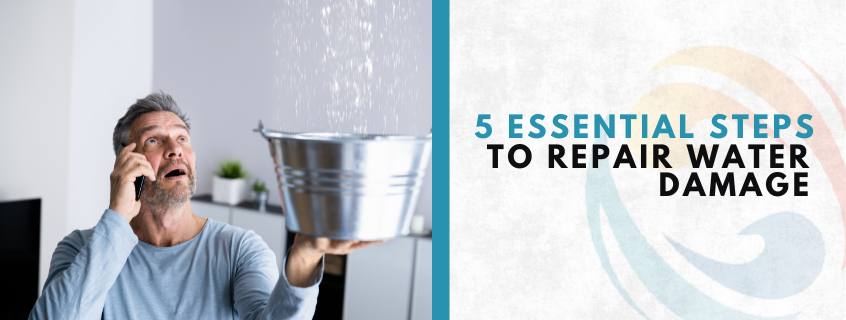
5 Essential Steps to Repair Water Damage

Water damage might be a homeowner’s worst fear. When water penetrates drywall, it may produce stains, decrease structural integrity, and even lead to collapse. Homeowners are often left wondering what steps to take next. Fortunately, with the appropriate methods and knowledge, you can effectively repair and restore the damage to your house. Understanding the nuances of water damage repair can help prevent further issues and maintain the value of your property. In this guide, we will explore five essential steps, along with tips and examples, to help you manage water damage effectively.

Lastly, consider documenting the repair process with photos and notes. This record not only assists in understanding the repairs made but can also be invaluable if you need to file an insurance claim in the future. By keeping a detailed log, you’ll have a better grasp of the history of your home’s maintenance and repairs, contributing to its overall value and your peace of mind.

Moreover, it’s wise to review your homeowner’s insurance policy to understand what is covered regarding water damage. Some policies may cover repairs and restoration while others may not, especially if the damage was due to neglect or lack of maintenance. Knowing your coverage can save you from unexpected expenses. Regular maintenance checks on plumbing and roofs can also help mitigate potential water damage issues before they escalate.

Understanding water damage and its effects on your home is crucial. For instance, water can lead to mold growth, which poses health risks to your family. As such, it’s important to act quickly when you suspect water damage. Utilizing a dehumidifier can help reduce moisture in the air, further preventing mold buildup. Additionally, keeping your home well-ventilated can also assist in drying out damp areas. Implementing these preventive measures can protect your home in the long run.

Step 1: Identify the Source of Water Leakage

Before you can repair the drywall, you must first locate and turn off the water supply. This is critical to prevent any additional water from causing more damage. Start by looking for moist patches, leaking water, and drooping ceilings, which can indicate the presence of water damage. If the drywall bulges or crumbles, the water damage is extensive and requires immediate attention. It is beneficial to inspect areas where plumbing is present, such as kitchens and bathrooms, as these are common sources of leaks. Fixing the leak first protects against future damage and guarantees that the repair lasts, saving you time and money in the long run.

Step 2: Remove Water-Damaged Drywall

Begin by placing down drop cloths or tarps to collect debris and reduce mess. This not only protects your flooring but also makes cleanup easier. Determine the degree of the damage: if the drywall is soft, cracking, or sagging, it must be removed. Carefully inspect the area to see if there are additional hidden damages. To chop away damaged pieces, use a utility knife or a hammer’s claw, ensuring you cut beyond the damaged area to ensure a clean patch. If only small stains are present, drying and repainting may suffice, but be aware that underlying issues may require more attention.

Step 3: Replace and Patch the Drywall

Measure the damaged area accurately and cut a replacement drywall piece that is two inches larger than the hole for a proper fit. On the back of the new drywall, measure 1 inch from each side and score the paper backing without cutting through it. This technique allows you to create a tapered edge, which will help blend the new piece with the existing wall. Use drywall screws to secure the new piece in place, ensuring it is tightly fitted. Fill any gaps with joint compound, using a putty knife to smooth the surface. Allow the compound to fully dry before sanding it down to a smooth finish, which will prepare the surface for painting.

Step 4: Prime and Paint

After the joint compound has dried and been sanded flat, apply primer to the mended area. This step is crucial as it helps the new paint adhere better and provides a uniform finish. Use gentle, even strokes with a roller to produce a perfect blend with the surrounding wall. Choose a primer that matches the type of paint you will use. After priming, apply at least two coats of paint, allowing each layer to fully dry before applying the next. This not only ensures that the repair is aesthetically pleasing but also protects the wall from future moisture damage.

Step 5: Clean Up

Use a shop vacuum to eliminate dust and debris created during the repair process. This includes drywall scraps and leftover paint containers, which should be disposed of properly to avoid environmental hazards. Make sure to wash brushes, rollers, and other instruments with warm, soapy water immediately after use to prolong their lifespan. When removing the painter’s tape, do so at a 45-degree angle to avoid pulling away any new paint. Finally, appropriately store your tools for later use, and consider keeping a list of what was done for future reference.

Call the Experts for Professional Assistance

If you find persistent leaks or substantial wall damage, expert assistance may be required. Trying to handle extensive repairs without the proper experience can lead to more issues. Seek help from professionals who specialize in water damage repair and restoration. For example, 770 Water Damage & Restoration has specialists trained in identifying and fixing leaks, including those concealed under walls and floors. They can provide a thorough inspection and offer solutions tailored to your specific situation. Contact us now to have your house restored fast and effectively, ensuring peace of mind for you and your family!

Construction Security Guards vs ‘Normal’ Security Guards

Working in the construction industry as a security guards, involves a number of unique challenges and responsibilities that the average security guard would not face.

walkie talkie security

While there are foundational aspects of security work that remain consistent across the board, certain nuances distinguish construction security guards from their peers. Here’s a look at the key differences.

Specialised Training and Awareness

Construction Security Guards: These guards often receive specialised training tailored to the unique risks and challenges of construction sites. This includes knowledge of construction safety practices, understanding the layout of construction sites, and the ability to navigate through potentially hazardous areas safely. They must be vigilant about not just security threats but also safety risks to workers and the public.

Normal Security Guards: Security guards in more traditional roles focus on protecting property, assets, and people within a defined environment. Their training typically covers general security protocols, customer service, emergency response, and sometimes specific skills like CCTV operation or crowd control, depending on their deployment.

Work Environment

Construction Security Guards: The work environment is dynamic and can change daily as the construction project progresses. Guards must adapt to new layouts, potential hazards, and varying levels of activity on the site.

Normal Security Guards: These guards usually work in more controlled and stable environments, such as office buildings, shopping centres, or residential complexes. The physical layout and risks associated with these environments are relatively constant, allowing guards to become highly familiar with their patrol areas and the routine activities within them.

Key Responsibilities

Construction Security Guards: Their primary focus of a construction site security service is on preventing theft of materials and machinery, vandalism, and unauthorised access to the site. They may also monitor compliance with safety protocols, coordinate with construction workers for security matters, and ensure the security of equipment and vehicles. Overnight security is often crucial for construction sites due to the high value of machinery and materials left on-site.

Normal Security Guards: In traditional settings, the responsibilities often centre around access control, surveillance, deterring theft and vandalism, providing customer service, and responding to emergencies. These guards are also likely to interact more frequently with the public and employees, requiring strong communication skills.

Challenges and Risks

Construction Security Guards: One of the main challenges is the constantly changing environment, which can introduce new security and safety risks regularly. The presence of heavy machinery and construction materials also adds a layer of complexity to their role, requiring a keen awareness of their surroundings to avoid accidents.

Normal Security Guards: Challenges for guards in more stable environments often relate to managing access for a large number of people, handling difficult individuals without escalating situations, and responding effectively to emergencies like fires or medical incidents.

While both construction security guards and normal security guards share the fundamental goal of protecting people and property, the specific demands of their roles can vary greatly. Construction security guards operate in a more hazardous and ever-changing environment, requiring a blend of security vigilance and safety awareness that is unique to the construction sector.

Pumps in Motion: The Key to Efficient Industrial Fluid Handling

In the intricate world of industrial operations, the handling of fluids plays a pivotal role. Whether it’s water, oil, chemicals, or any other liquid, the efficient and safe transportation of these substances is essential. This is where industrial pumps come into play, serving as the backbone of fluid handling in various sectors. This article will explore the importance, types, innovations, and future trends in industrial pump technology.

Dynamic industrial scene with various types of pumps, including centrifugal, positive displacement, and diaphragm pumps, actively operating in a busy industrial environment with workers maintaining the equipment.
Efficient Fluid Handling in Action: A Showcase of Industrial Pumps in Motion

The Critical Role of Industrial Pumps

Industrial pumps are vital in numerous applications across various sectors, including oil and gas, chemical processing, water treatment, and manufacturing. These pumps are designed to move fluids efficiently and reliably, often under challenging conditions. They are not just about moving liquids from one place to another; they play a crucial role in ensuring the quality, safety, and efficiency of industrial operations.

Types of Industrial Pumps and Their Applications

There are several types of industrial pumps, each suited to specific tasks and fluids. Some of the most common include:

  • Centrifugal Pumps: Widely used in many industries due to their versatility and efficiency in moving large volumes of liquid.
  • Positive Displacement Pumps: Ideal for handling viscous fluids or fluids containing suspended solids.
  • Diaphragm Pumps: Often used in the chemical industry due to their ability to handle aggressive or corrosive fluids.

Each type has its unique mechanism and suitability for different applications, making the choice of pump critical for operational efficiency.

Technological Advancements in Pump Design

Recent years have seen significant advancements in pump technology. Modern pumps are not only more efficient but also smarter. Innovations include:

  • Energy-Efficient Motors: Reducing power consumption while maintaining high performance.
  • Smart Pumps: Equipped with sensors and IoT technology, these pumps provide real-time data on performance and maintenance needs.
  • Material Advances: New materials that resist wear and corrosion, extending the lifespan of the pumps.

These technological advancements are crucial in an era where energy efficiency and sustainability are paramount.

The Role of Pumps in Energy Efficiency

One of the significant benefits of modern industrial pumps is their contribution to energy efficiency. Since pumps are often one of the largest energy consumers in industrial processes, improvements in pump efficiency can lead to substantial energy savings. This not only reduces operating costs but also minimizes the environmental impact of industrial operations.

Case Studies: Successful Implementations

Real-world examples abound where innovative pump solutions have transformed operations. For instance, in the water treatment industry, advanced centrifugal pumps have dramatically reduced energy consumption while increasing water flow rates. In the chemical industry, specialized diaphragm pumps have improved the safety and efficiency of handling hazardous materials.

Future Trends in Pump Technology

Looking to the future, the trend is towards even more efficient and intelligent pumps. Predictive maintenance, powered by AI and machine learning, is expected to become standard, enabling preemptive repairs and reducing downtime. Additionally, further advances in eco-friendly materials and renewable energy-powered pumps are anticipated.

Conclusion

Industrial pumps are the unsung heroes of fluid handling in various industries. They are crucial for operational efficiency, safety, and environmental sustainability. As technology continues to advance, we can expect industrial pumps to become even more efficient, intelligent, and integral to industrial processes.

Fork Audio: Unveiling the Future of Sound Technology

In an era where technological advancements are constantly reshaping industries, the field of sound technology has witnessed a significant leap forward with the introduction of Fork Audio. This innovative concept is not just another addition to the audio technology landscape; it is a revolutionary approach that promises to transform how we interact with sound in various environments. Fork Audio, at its core, is a testament to the fusion of cutting-edge technology with the art of sound engineering, aiming to deliver an unparalleled auditory experience.

A modern, high-tech auditorium showcasing the launch of 'Fork Audio', a sophisticated audio device with a fork-like design. The diverse audience looks on in amazement.
Fork Audio: Revolutionizing Sound Technology – A Glimpse into the Future.

The Technology Behind Fork Audio

The innovation behind Fork Audio lies in its unique approach to sound processing and delivery. Unlike traditional audio systems that rely on standard stereo or surround sound configurations, Fork Audio introduces a multi-dimensional sound processing technique. This technique utilizes advanced algorithms to create a more immersive and realistic sound environment. The technology focuses on enhancing sound clarity, depth, and spatial accuracy, making it feel like the audio is coming from multiple directions and dimensions.

Another key aspect of Fork Audio is its adaptability and customization. Using machine learning and artificial intelligence, Fork Audio systems can analyze the acoustics of the environment and automatically adjust their output for optimal performance. This ensures that regardless of the space – be it a small room or a large auditorium – the sound quality remains consistent and high.

Impact of Fork Audio on the Audio Industry

Fork Audio’s introduction into the market has set new standards in various sectors of the audio industry. In music production, it has provided producers and artists with tools to create more dynamic and expressive soundscapes. For movie theaters and home entertainment systems, Fork Audio has elevated the cinematic experience by offering more immersive and lifelike audio. Additionally, in the world of gaming, it has enhanced the level of immersion, making games more engaging and realistic.

Moreover, Fork Audio’s impact extends beyond entertainment. In the realm of professional audio engineering and sound design, it has opened up new possibilities for creating sophisticated sound environments. Its application in public spaces, such as museums or theme parks, has enhanced the overall experience for visitors through immersive audio storytelling.

Future Prospects and Potential Developments

The future of Fork Audio is as exciting as its present. With continuous advancements in AI and machine learning, the potential for further improvements in sound customization and environmental adaptability is immense. One area of development could be the integration of Fork Audio technology with virtual and augmented reality, providing a fully immersive audio-visual experience.

Another promising direction is the use of Fork Audio in smart home technology. As homes become more connected and intelligent, integrating Fork Audio could lead to more personalized and efficient sound systems that adapt to individual preferences and activities.

Lastly, the potential for Fork Audio in healthcare, particularly in therapeutic and rehabilitative settings, is an area ripe for exploration. The technology could be used to create sound environments that aid in stress reduction, mental health treatment, and cognitive rehabilitation.

Conclusion

Fork Audio stands at the forefront of a new era in sound technology. Its innovative approach to sound processing and delivery not only enhances the quality of audio experiences but also opens up new possibilities across various industries. As the technology continues to evolve, it will undoubtedly play a pivotal role in shaping the future of audio technology, making it an exciting field to watch.

Mastering Samsung Notes: Elevate Your Productivity Game

In the realm of digital note-taking, ‘Samsung Notes‘ stands out as a versatile and powerful tool, designed to cater to the diverse needs of modern users. From professionals to students, this article delves into how Samsung Notes can elevate your productivity game and transform your everyday note-taking experience.

Close-up of a hand holding a Samsung smartphone with the Samsung Notes app open, displaying colorful notes, reminders, and schedules, against a background of blurred office supplies.
“Unleash Your Organizational Power with Samsung Notes – The Key to Mastering Productivity.”

Introduction to Samsung Notes

Samsung Notes has rapidly gained popularity as a go-to note-taking app, particularly among users of Samsung Galaxy devices. Its seamless integration with Samsung’s ecosystem offers a unique and efficient experience, making it more than just a basic note-taking platform.

Key Features of Samsung Notes

Samsung Notes boasts an array of features that set it apart from other note-taking apps. Its ability to sync with Samsung Cloud, support for handwriting and drawing, and multimedia integration are just a few of its standout aspects. These functionalities cater to a broad spectrum of users, from the casual note-taker to the demanding professional.

Tips and Tricks for Maximizing Samsung Notes

To get the most out of Samsung Notes, users can leverage various tips and tricks. For instance, using the S Pen for precision writing and drawing, customizing notes with different colors and styles, and utilizing voice recording for quick note-taking are all ways to enhance the app’s utility.

Samsung Notes for Professionals

For professionals, Samsung Notes can be a game-changer. It easily integrates into business workflows, allowing for efficient meeting note-taking, project planning, and task management. Its synchronization capabilities ensure that your notes are always accessible across your devices.

Educational Uses of Samsung Notes

In educational settings, Samsung Notes serves as a powerful tool for both students and educators. Its organizational features help in managing lecture notes, research, and academic collaborations. The app’s versatility also supports various learning styles and needs.

Creative Applications of Samsung Notes

Samsung Notes is not just for text-based notes; it’s also a haven for creativity. The app’s drawing and multimedia functions are perfect for artistic projects, mood boards, and visual brainstorming, offering a canvas for creative expression.

Synchronization and Cross-Device Compatibility

One of the strongest features of Samsung Notes is its synchronization and cross-device compatibility. Notes synced with Samsung Cloud can be accessed on any compatible device, providing a seamless experience for users who are always on the move.

User Experience and Interface Design

The user experience and interface design of Samsung Notes are intuitive and user-friendly. Its clean layout, easy navigation, and customizable settings make it accessible to a wide range of users, from tech-savvy individuals to those who prefer simplicity.

Future Updates and Potential Enhancements

Looking to the future, Samsung Notes is expected to evolve with more updates and enhancements. Users anticipate new features like advanced AI integration, improved organizational tools, and more robust cloud synchronization options.

Conclusion

Samsung Notes is more than just a digital notepad; it’s a comprehensive tool that can significantly enhance productivity and creativity. Whether for professional work, academic pursuits, or personal projects, it offers a range of functionalities to suit various needs. Embracing Samsung Notes means unlocking a world of possibilities in how you capture, organize, and share information. As technology continues to advance, Samsung Notes is poised to remain a key player in the note-taking app arena, constantly adapting to meet the evolving demands of its users.

How Massage Chairs Work and Their Historical Roots

From ancient hands to modern mechanics, learn how massage chairs work and their rich history. Dive into a journey spanning millennia!

Historical evolution and modern mechanics of massage chairs.
Tracing the lineage of relaxation technology.

Massages have been a treasured form of relaxation for millennia. Fast forward to the 21st century, and we find ourselves asking: How do massage chairs work to encapsulate this ancient art? Unearth the roots and journey with us through time to see the evolution of massage, from hands to mechanics.

A Glimpse into Ancient Massage Practices

Massage, as a healing technique, traces its origins to various ancient civilizations. The Egyptians, Chinese, Greeks, and Indians all had their unique massage practices:

  1. Ancient China: The earliest references to massage appear in Chinese medical texts from 2700 B.C. They believed in the therapeutic properties of touch and developed their own techniques, which would later influence Japanese Shiatsu.
  2. Ancient Egypt: The Egyptians practiced reflexology, a technique that involves applying pressure to specific points on the hands and feet.
  3. Ancient Greece: The Greeks recognized the benefits of massage for athletes. Athletes were often massaged before their events to improve performance.
  4. Ancient India: Ayurveda, the traditional Indian system of medicine, has incorporated massage with medicinal oils and herbs as part of its holistic healing approach for over 5,000 years.

The Rise of Mechanized Massage

As civilizations advanced, the need for more consistent and readily available massage techniques grew. The industrial revolution marked the beginning of the mechanization of many processes, including massage.

  1. Early Mechanical Devices: In the late 19th and early 20th centuries, mechanical massage devices began to emerge. They were rudimentary, often hand-cranked, and designed to simulate human touch.
  2. The Advent of Electric Massage Chairs: The 1950s witnessed the birth of the first electrically operated massage chairs. They were simple in design, primarily focusing on vibrating mechanisms.

Modern Massage Chairs: A Fusion of Tradition and Tech

Today’s massage chairs are sophisticated devices that combine traditional massage techniques with advanced technology:

  1. Sensors and AI: Modern chairs are equipped with sensors that detect tension points. With the help of artificial intelligence, these chairs can tailor the massage to individual needs.
  2. Multiple Techniques: From Shiatsu to Swedish, modern chairs offer a variety of massage techniques, imitating human hands with a combination of rollers, airbags, and heat elements.
  3. Customization: With user profiles and memory functions, these chairs remember preferences and provide a personalized massage experience every time.

Conclusion: Embracing the Future while Honoring the Past

While the mechanics and technology behind massage chairs have evolved dramatically, the underlying principles remain rooted in ancient practices. These chairs serve as a testament to humanity’s continuous quest for relaxation and healing, seamlessly blending millennia-old wisdom with cutting-edge innovation.

Unveiling the Ingredients of Ikaria Lean Belly Juice

Ikaria Lean Belly Juice is a dietary supplement that aims to support digestive health and weight management. Understanding the ingredients of a product is crucial for making informed decisions about its potential benefits and safety. In this article, we will delve into the ingredients of Ikaria Lean Belly Juice, providing you with an overview of the key components that contribute to its formulation.

Aloe Vera

Aloe Vera is a well-known plant that has been used for centuries for its medicinal properties. In Ikaria Lean Belly Juice, Aloe Vera is included for its potential digestive benefits. It is believed to help soothe and support a healthy digestive system, promoting regularity and comfort.

Green Tea Extract

Green Tea Extract is derived from the leaves of the Camellia sinensis plant. It is rich in antioxidants, particularly catechins, which are known for their potential health benefits. Green Tea Extract is included in Ikaria Lean Belly Juice due to its metabolism-boosting properties and potential to support weight management.

Ginger Root Extract

Ginger Root Extract is derived from the Zingiber officinale plant and has a long history of traditional use in promoting digestive health. It is believed to help reduce bloating, support healthy digestion, and provide relief from gastrointestinal discomfort. Ginger Root Extract is included in Ikaria Lean Belly Juice for its potential digestive benefits.

Papaya Fruit Extract

Papaya Fruit Extract is obtained from the Carica papaya fruit and is known for its digestive enzyme called papain. Papain assists in breaking down proteins and is believed to support healthy digestion. In Ikaria Lean Belly Juice, Papaya Fruit Extract is included for its potential to aid digestion and promote gastrointestinal comfort.

Peppermint Leaf Extract

Peppermint Leaf Extract is derived from the Mentha piperita plant and is widely known for its refreshing and soothing properties. It has been traditionally used to support healthy digestion and alleviate digestive discomfort. Peppermint Leaf Extract is included in Ikaria Lean Belly Juice for its potential digestive benefits.

Other Ingredients

In addition to the key ingredients mentioned above, Ikaria Lean Belly Juice may contain other components to enhance its taste, texture, and stability. These additional ingredients may include natural flavors, sweeteners, and preservatives. It’s important to review the product label or consult the manufacturer for a comprehensive list of all the ingredients present in the specific formulation of Ikaria Lean Belly Juice.

Conclusion

Ikaria Lean Belly Juice is formulated with a combination of natural ingredients that aim to support digestive health and weight management. Aloe Vera, Green Tea Extract, Ginger Root Extract, Papaya Fruit Extract, and Peppermint Leaf Extract are among the key components included in the product. Each ingredient is chosen for its potential digestive benefits and overall contribution to the formulation.

If you have any specific concerns or allergies related to the ingredients of Ikaria Lean Belly Juice, it’s advisable to consult the product label or reach out to the manufacturer for more information. By understanding the ingredients, you can make an informed decision about incorporating Ikaria Lean Belly Juice into your dietary routine.

Agile Payments Interview with the Founder of Agree.com Mr. David Jay and How Payments play a Crucial Role?

1-When and why did you start Agree.com?

Three years ago I was going through the wedding planning process with my wife, Ali, and each day we would have a vendor send us a contract, ask us to print it out and sign up and then snail mail or fax it back to them! It was brutal setting up printers and walking back and forth to Fedex to fax these things and then on top of that we still had to get them a check. Most of the vendors want a check mailed to them and then ask for the final payment on the wedding day (also via check) so my wife, being the amazing planner she is, had dozens of nice thank you cards and checks ready for all the vendors on the wedding day. That week we also moved some money from one bank account to another to cover all those payments. The wedding goes great and we head off on our honeymoon in Bora Bora and within minutes of checking into our hotel my phone blows up with livid vendors b/c all the checks bounced because the bank had slowed the deposit process because of how much money was getting moved. This was multiple nightmares that all could’ve been solved if these small businesses had simple online contracts and payments like Agree.com

2-Did you see weaknesses in the existing Online Contract space?

Yes, I found that the online contract space was filled with large commercial solutions, which work for larger companies or the real estate industry, but for small to medium sized businesses there wasn’t a solution that was easy, simple, and beautifully designed.

3-Did you set out to intentionally make embedded payments part of your services?

Yes – payments have always been a key piece to the puzzle for us because the contract process, and the relationship between business and client, breaks down when the payment isn’t attached to it. We didn’t want people to be able to get a contract signed digitally, but then have to wait for a check in the mail.

4-What countries do you operate in?

Our contracts are used globally while our payments are currently available to users in the US with international plans for next year.

5-Who is a great fit to use Agree.com?

We’ve found a good fit with a variety of small business owners looking to get online with their contracts while also being able to receive digital payments. Our company has a history with the photography industry, so have seen good traction there as well as with other “event” based industries. If a business owner is needing a contract to provide their service on a certain date, Agree.com will most likely be an excellent fit.

6-What challenges does Agree.com solve for these clients?

It can be challenging and expensive to know how to setup a legal contract, and if you’ve paid a lawyer to create one, it most likely lives as a PDF document you email, or snail mail, to clients. The process of editing and emailing it, followed by asking your client to print, sign, scan, and send it back is severely outdated and wastes a ton of time. Agree.com includes attorney approved contracts as well as a contract builder to help you quickly create a new contract, then you can save any contract as a template and use it later. The process of sending out a new contract can take less than a minute, and can be done from any mobile device. Having payments tied directly to a contract also solves some common problems. Take the example of a PDF contract; once it’s been signed, a business owner still has to figure out how to get paid. If that’s by check, it most likely takes a few days through the mail. And for any payments due later, a business owner most likely has to “politely” remind their client to pay. Agree.com solves that by automatically processing payments on the dates set and agreed to. If a payment fails, we reach out to the client and ask them to provide updated info. Our free iOS app even sends instant notifications so a user is up-to-date with their contract and payment statuses at all times.

7-How does payment processing happen in Agree.com?

We became a certified Payfac through Vantiv as well as partners with WePay to handle our payment processing. We wanted the onboarding process to be integrated instead of requiring a user to go create a merchant account somewhere else and then try and plug it into our system.

8-What challenges did you face with payments implementation?

The main challenge we faced was the fact that “we didn’t know what we didn’t know”.  We were new to this arena so the amount of consultants, attorneys and developers that were needed was mind numbing and made the process painfully slow. We’ve learned a lot along the way

9-Approximately how long did it take Agree.com to get payments side of your business dialed?

Originally we became our own PayFac which took about 6 months to get rolling, plus regular feature updates after that to dial it in. Ultimately we decided that we wanted to focus on the core of our business so we have more recently partnered with WePay to handle our payments. That switch took about 3 months to make and now is running smoothly.

10-What is the onboarding process like in terms of user experience?

It’s beautiful. New users can create a free account by simply entering in their email and then they can use the digital payments feature by simple clicking a box. No long forms or approval process. We’ve put a lot of time into designing the onboarding as an easy, streamlined, experience. Once they receive a digital payment we need them to complete a few extra pieces of information to create their merchant profile and receive their funds.

11-Does your payment experience help attract and retain clients?

Definitely, it’s one of our most popular features. When users experience the ease of creating a contract and the convenience of receiving payment directly into their bank account, they love it. Even if a client doesn’t use our payment feature for all of their contracts they know they have that option ready and it’s as simple as a clicking a box to get started.

12-Are there areas where your payment platform could be improved?

Absolutely. We will continue to move towards simplicity and mobility. The mobile experience is very important to our clients so we will continue to make that easier. The addition of ApplePay and AndroidPay as well as ACH payments will help both our clients and their clients make their payments easily through their mobile devices.  We’re also planning to offer additional payment-plan options so the balance of a contract can be paid over a set period of time, ie. 6 monthly payments. We also have users around the world that would love to be able to accept payments as well, so expanding the countries we work in is another goal of ours.

13-Has Agree.com had fraud issues and if so how do you mitigate risk?

A year ago we experienced a handful of fraudsters trying to pay themselves with stolen credit cards. A few were successful which helped us set up more rigorous background checking for new Merchants. While that put an end to the fraud, it was time-intensive. Fraud prevention is a constant battle in this businesses and was one of the main reasons we are partnered with WePay.

14-What opportunities is Agree.com excited about?

This past year we’ve seen some huge feature improvements, as well as incredible feedback from users who are absolutely loving Agree.com. We’re excited to continue streamlining our app, as well as venture into additional industries that are needing their own online contract & payment solutions. 2018 is going to be a very exciting year for the company and our users.

15-Any new features or release coming out?

As I write this the team is releasing a brand new contract template feature. This lets any user save a contract as a template and then use it anytime to quickly send off a contract. It lowers the time from the (already low) few minutes to taking less than a minute to create and send a contract.

16-What does the future hold for contract management platforms and specifically Agree.com?

There are specific needs for each vertical. Creating a contract platform that is simple to use, specific to the niche and scalable to other industries is a fun challenge and one that Agree.com is excited to take on – from the bottom up. Docusign, and others, have paved the way by getting some of the bigger industries using digital contracts and payments which has validated the market but the smaller niche industries are still largely using paper and pdf’s because there hasn’t been simple solutions created uniquely for them.

Thanks David. Very interesting how you have used payments as core solution for online contract needs.

-